Cupping therapy for pain relief has rapidly gained recognition in Australia as an effective treatment that supports muscle recovery, reduces muscular tension, and accelerates healing after physical activity or injury. From athletes to everyday individuals managing chronic muscle pain, therapy cupping for pain relief is becoming a mainstream approach within holistic health and physical rehabilitation.
In this blog, we explore how cupping works, the scientific principles behind its success, the benefits for muscle recovery, what to expect during a session and how to integrate it with other therapies.
Understanding Cupping Therapy for Pain Relief
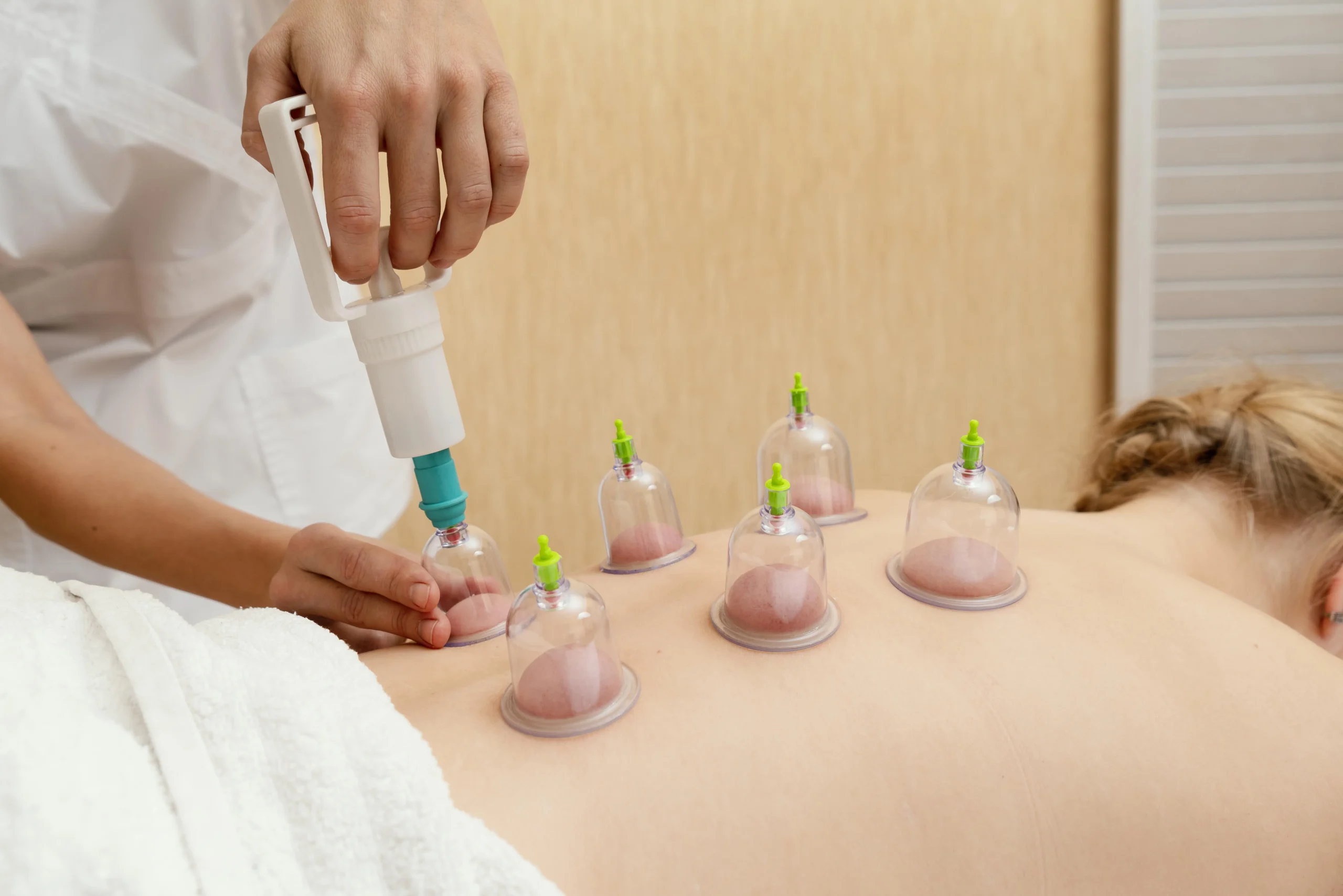
This is a traditional treatment where suction cups are applied to the skin to create negative pressure. This gently pulls tissues upward, improving circulation and stimulating the body’s natural healing responses.
Cupping has roots in ancient Chinese, Middle Eastern and Egyptian medicine, but modern practice has evolved to combine traditional principles with evidence-based techniques. In many clinical settings, cupping is used as part of multimodal pain management and rehabilitation plans, personalised to individual needs.
The Scientific Principles Behind Cupping Therapy
Trigger Point Release
Cupping can help loosen tight muscle fibres and break up adhesions, just as manual trigger point therapy does.
Immune System Activation
Suction stimulates lymphatic drainage, which supports immune function and tissue repair.
Enhanced Blood Flow
The suction improves local blood flow, delivering oxygen and nutrients while removing metabolic waste products from injured muscles.
Reduction of Inflammation
By increasing circulation and encouraging metabolic exchange, cupping may help decrease inflammation associated with muscle soreness or injury.
Nervous System Stimulation
The pressure and stretch applied to tissue can activate sensory receptors and inhibit pain signals, promoting relaxation and reducing discomfort.
How Cupping Therapy Helps Muscle Recovery
The role of this therapy in muscle recovery goes beyond temporary relief. Here is how it supports long-term rehabilitation.
Improving Tissue Flexibility
Restricted muscles limit movement and contribute to ongoing pain. Cupping enhances tissue elasticity, helping restore range of motion and optimise performance.
Complementing Manual Therapy
Cupping pairs well with physiotherapy and remedial massage, amplifying the benefits of hands-on techniques by preparing tissue and increasing circulation.
Reducing Delayed Onset Muscle Soreness
After intense exercise, microscopic muscle damage can cause delayed-onset muscle soreness. Cupping boosts blood flow and speeds up waste removal, reducing stiffness and soreness.
Enhancing Nervous System Regulation
Relaxation and decreased muscle tension help restore autonomic balance, especially for those experiencing chronic stress or pain.
Supporting Active Recovery
By integrating cupping therapy with stretching and mobilisation exercises, athletes and active individuals can recover more quickly between sessions.
Who Benefits Most from Therapy Cupping for Pain Relief?
Ideal candidates
- Individuals with chronic muscle pain
- Individuals seeking non-pharmaceutical pain management
- People experiencing tight hamstrings or calf pain
- Athletes recovering from training or competition
- Those with tension headaches are linked to muscular tension
Less Suitable
- Individuals with severe cardiovascular conditions
- People with certain skin conditions
- Those prone to bruising or with clotting disorders
What to Expect During a Cupping Therapy Session?
A typical cupping treatment session follows these steps:
- Consultation: Discussion of pain history, goals and medical background.
- Planning: Selection of cupping method based on body region and recovery needs.
- Application: Cups are placed on targeted areas using suction.
- Therapy Duration: Cups remain in place for around 10 to 15minutes.
- Aftercare: Stretching, rehydration and light activity are recommended.
Some may experience temporary circular, purple marks due to increased blood flow, which generally fade within a few days.
Types of Cupping Used in Pain Relief and Recovery
| Type of Cupping | Description | Best For |
|---|---|---|
| Dry Cupping | Cups suction only, no incision | General muscle tightness and tension |
| Wet Cupping | Light skin incision with suction for deeper detoxification | Chronic inflammation and deep congestion |
| Moving Cupping (Sliding) | Cups glide over oil-applied skin | Larger muscle groups and myofascial release |
| Fire Cupping | Traditional heat-induced suction | Deep muscular relaxation |
Each method offers unique benefits, and your therapist may recommend the most appropriate form based on your condition.
Integrate Cupping with Other Therapies
Cupping is frequently integrated into broader treatment plans, including:
Remedial Massage
This is used in conjunction; it deepens tissue release and improves muscular balance.
Physiotherapy
Cupping enhances the effects of therapeutic exercises and corrective movement strategies.
Rehabilitation Programs
Cupping contributes to more effective progressive rehabilitation tailored to the injury or pain stage.
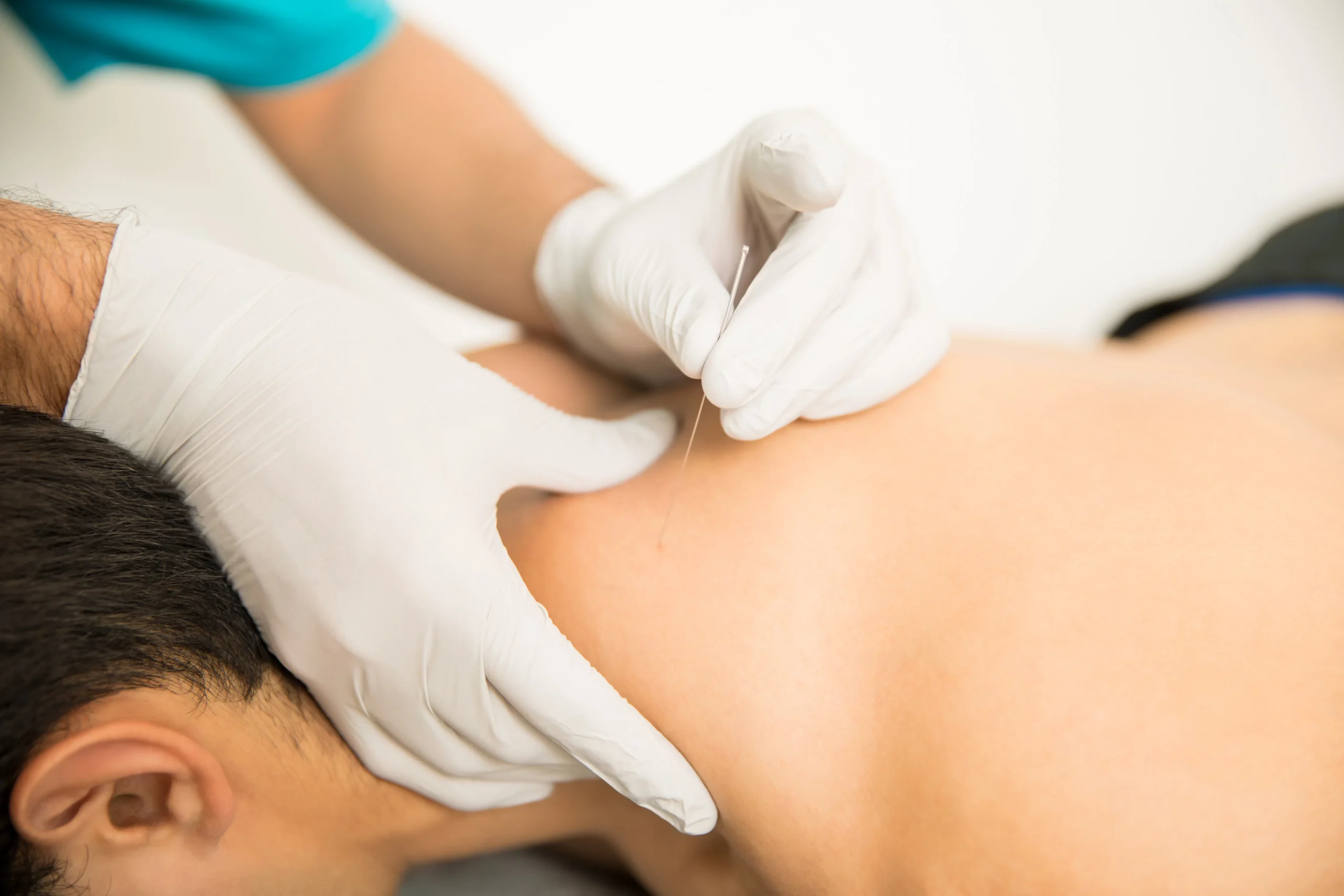
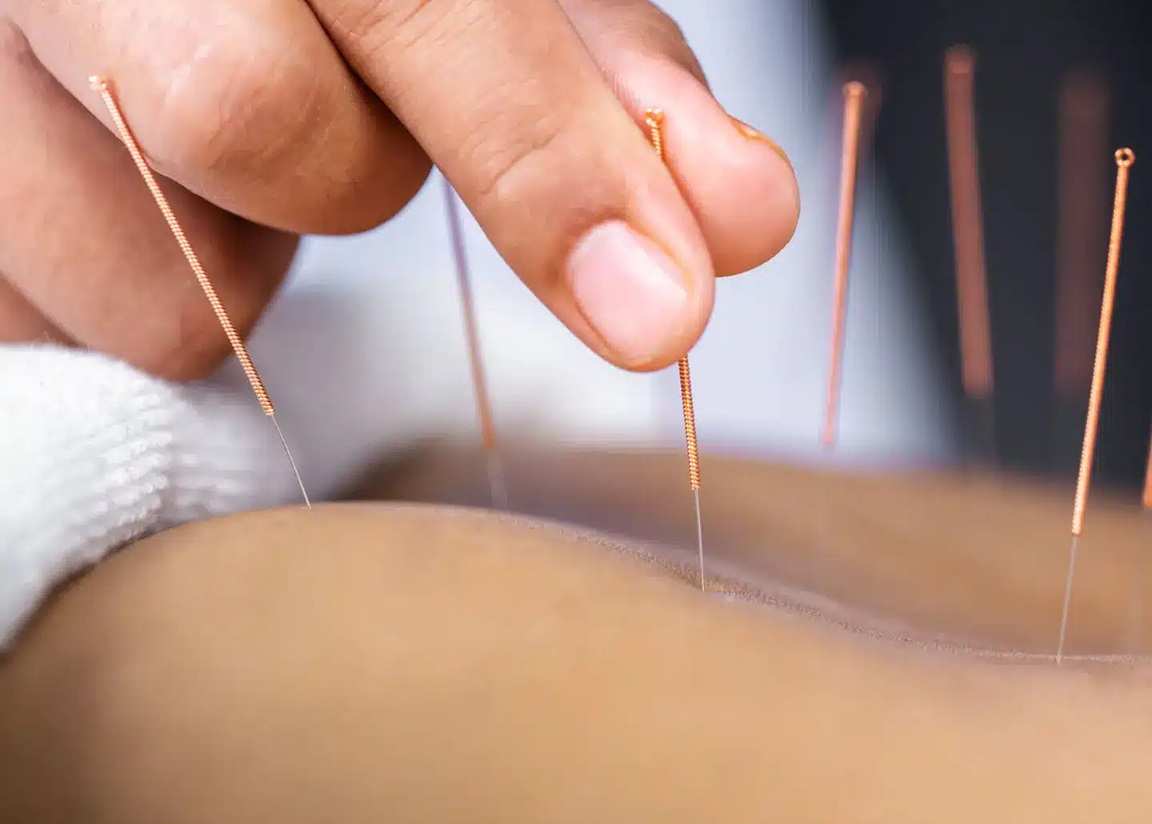
Dry Needling
Cupping, combined with dry needling, can accelerate recovery from trigger points and muscular adhesions.
Safety and Best Practice Guidelines
- Seek treatment from qualified professionals
- Discuss your full medical history before treatment
- Avoid cupping on broken skin, infections, or recent injuries
- Follow post-treatment guidance on hydration and movement
Start Your Recovery with Cupping Therapy Treatment Today
At Vital Clinic, we take time to assess how your muscles move, where restrictions exist, and how pain is affecting your daily life. Rather than applying isolated techniques, we integrate manual therapy, rehabilitation planning, corrective exercises and targeted modalities to create a personalised recovery pathway. Our clinicians combine clinical reasoning with practical experience to ensure that any cupping therapy treatment is delivered safely and strategically within a broader rehabilitation plan.
If muscular tension, stiffness or ongoing soreness has been holding you back, structured therapy cupping for pain relief may be the missing link in your recovery. Guided correctly, cupping therapy for pain relief can enhance circulation, support muscle repair and complement physiotherapy and remedial approaches already in place. If you are in Oakleigh, Point Cook and ready to move with greater comfort, contact us today to schedule an appointment.
FAQs
How does cupping therapy for pain relief support muscle recovery?
Cupping therapy for pain relief supports muscle recovery by increasing local blood circulation, reducing muscular tightness and assisting the removal of metabolic waste. The gentle suction lifts soft tissue, which can help decrease stiffness, improve mobility and promote faster healing.
What conditions benefit most from cupping therapy treatment?
A structured cupping therapy treatment is commonly used for muscular back and neck pain, shoulder tightness, sports injuries, tension headaches and soft tissue restrictions. It can also assist individuals managing chronic muscle fatigue or postural strain.
How is therapy cupping for pain relief different from massage or acupuncture?
This works through suction rather than compression or needle insertion. Unlike massage, which presses into tissue, cupping gently lifts and decompresses muscle layers. Compared to acupuncture, cupping does not involve needles but may be used alongside it in integrated treatment plans.
Is cupping therapy for pain relief suitable after physical activity or exercise?
Yes! Cupping therapy can be beneficial after exercise. It may help reduce delayed-onset muscle soreness, improve circulation to fatigued muscles, and support active recovery when performed by a certified practitioner.
How often should cupping therapy be used for muscle tension and soreness?
Frequency depends on the severity of the tension and the individual’s recovery goals. Some people benefit from weekly sessions during active rehabilitation, while others may use cupping occasionally for maintenance. A qualified clinician can recommend an appropriate schedule based on assessment findings.